-10% FIRST ORDER  |  SUBSCRIBE NEWSLETTER

Sustainable Fashion: The Guide to Knowing What to Wear

In the world of fashion, what seems cheap at first glance can be very costly to the planet and your health. What if dressing stylishly also meant dressing consciously?

Today, it seems that all brands have decided to invest in sustainability and that everyone has remembered this at the same time. But is using sustainable materials in our clothing really important or is it just another passing trend?

This guide will answer this question and show you sustainable yet stylish alternatives.

Why is change so urgent?

The fashion industry is the second largest consumer of water in the world. To manufacture a single t-shirt, an average of 2700 liters of water is needed. And how many t-shirts does each of us own? Exactly! That's the scale of the problem.

Polyester is, fundamentally, a plastic derived from petroleum and has become the most widely used material in our clothing. Numerous chemicals are used in its manufacture, which not only impact the planet but also our health. As it is a plastic, it has a very poor absorption capacity and does not allow the skin to breathe. Thus, heat and humidity remain in contact with our bodies for hours on end, creating the perfect environment for the development of fungi and bacteria. The same happens with the chemicals used in its production: as they remain on the surface, our skin ends up absorbing them. Did you know that these chemicals have been strongly associated with hormonal imbalances and even autoimmune diseases? Another major problem is the release of microplastics into the oceans. These mostly come from washing synthetic fabrics, such as polyester. The problem is so serious that fish have been discovered with microplastics inside them, fish that we then end up eating. It doesn't seem very healthy to be eating "tiny bits" of our clothes, does it?

Materials Guide: What to Choose and Why?

Organic Cotton vs. Cotton

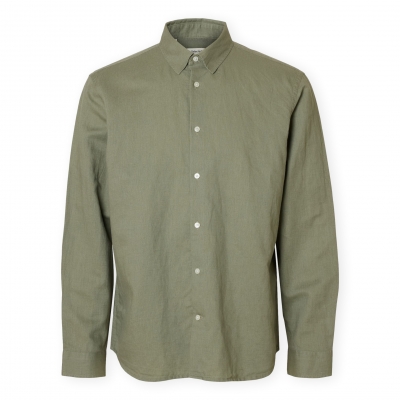
Unlike conventional cotton, organic cotton is grown without toxic pesticides and uses 91% less water. The slight drawback? If we're trying to grow a plant with less water, preventing soil degradation and without resorting to chemicals in the process – chemicals that would be absorbed by your skin – then of course, that growth will be much slower and more expensive. That's why items made from organic cotton are somewhat more expensive than those made from cheaper cottons. But think of it as a small investment: you're not only protecting the planet, but also your health. It's no coincidence that this material is the most recommended for babies or people with sensitive skin!

Linen

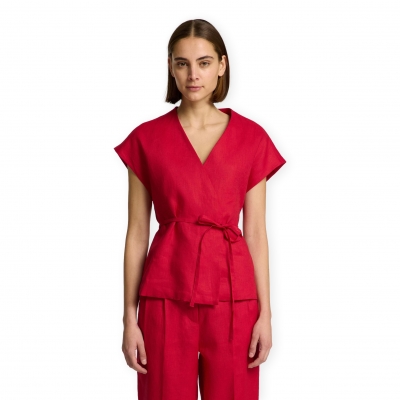
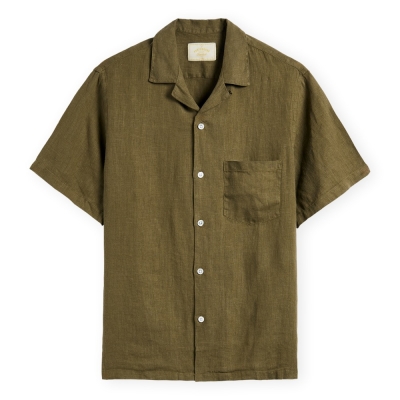
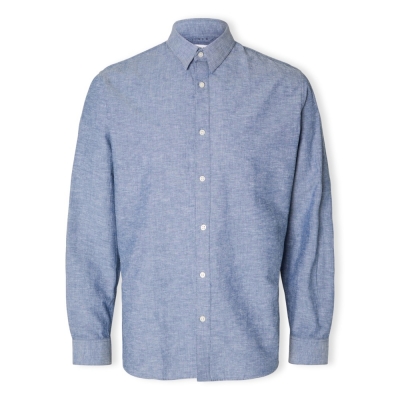
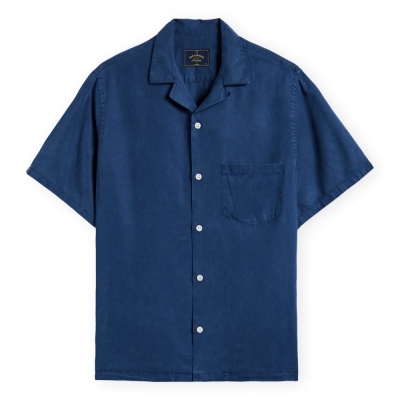
Linen is one of the oldest and most ecological natural fibers in existence. It is a naturally resistant fiber that doesn't require fertilizers and grows easily with little water. Furthermore, waste is practically zero, since all parts of the plant are used: some for clothing, others for paper, and the seeds for food (flaxseed!). Besides being a sustainable choice, linen is a cool, hypoallergenic material and is super trendy.

Tencel

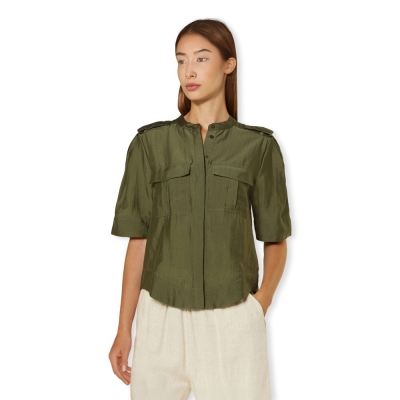
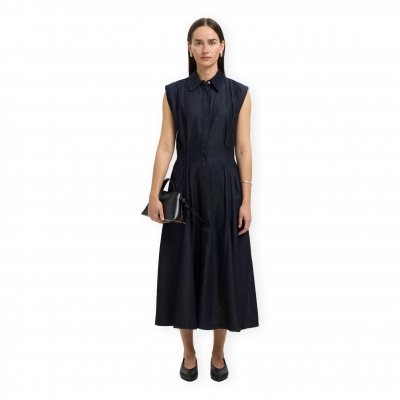
Lyocell, better known as Tencel, is a fiber created to combine the best characteristics of other materials. A Tencel garment manages to have the soft touch of silk and the strength of polyester, but with much greater durability and without the negative environmental impact. It is, essentially, the sustainable version of viscose.

It is produced from eucalyptus (or bamboo) pulp in a closed-loop system. What does this mean? That almost all the solvent used in the process is recovered and reused, avoiding waste. Furthermore, the solvents are organic and biodegradable, making them much less aggressive to our bodies and the planet.

Tencel also has other advantages that justify its higher price compared to viscose or polyester:

  • Strong colors: The way it is dyed allows the colors to be better absorbed and not fade with washing.
  • Maintains its shape: It does not deform with use, making it an investment that will last much longer in your wardrobe.

Recycled Polyester

But then... wasn't polyester terrible, causing diseases and consuming immense resources?
Yes, that's true. Polyester will never be the perfect choice, but since there is already so much plastic in the world, and it takes about 400 years to decompose, recycling is a good solution to minimize damage and clean up what has already been produced.

Recycled polyester, instead of being created directly from petroleum, comes mostly from the reuse of plastic bottles and recovered fishing nets. Its production consumes between 35% and 50% less energy. It's a huge saving, especially because it maintains the strength and durability of the original polyester.

And what about microplastics in the wash? Unfortunately, recycling doesn't solve that problem. Therefore, our recommendation is that you wash these items in specific laundry bags, which capture most of these microfibers and prevent them from ending up in the oceans.

Sustainability isn't about perfection. It's about small gestures that, together, make a big difference.

So let's make your wardrobe as sustainable as possible? For the sake of the planet and your health!

Comments (0)

No comments at this moment

New comment

Product added to wishlist

SUBSCRIBE OUR NEWSLETTER AND GET 10% OFF YOUR NEXT ORDER!


*Not combinable with other discounts.